Dedusting Equipment
“MAXAIR” DUST FILTERS FOR CEMENT SILO
The Scutti Maxair filter is a round cartridge filter supplied with 24 m² filtering surface and an air jet-cleaning system. It is designed to be installed on top of the silo as a vent filter.
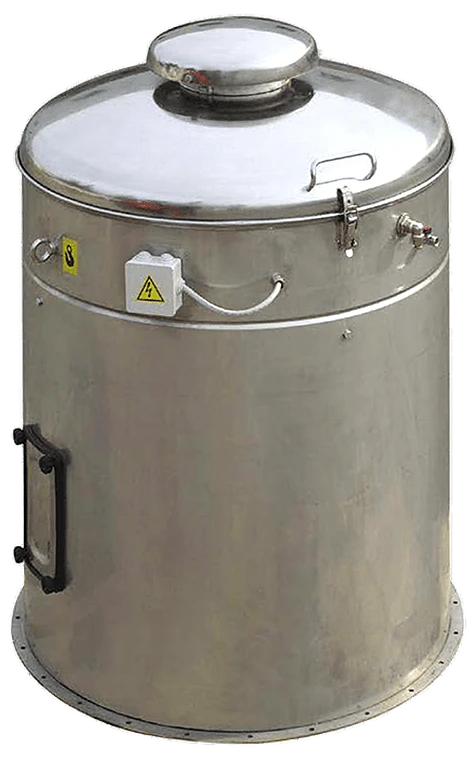
Minimum dimensions and quick opening devices allow full safety and trouble-free maintenance for the operator. The filter is available with dust collecting pre-separator.
The filter’s body is made of stainless steel for greater endurance and long-lasting resistance to corrosion. It is the most appropriate solution for 2 silos as long as they are connected with an "L" pipe and have an independent safety valve each. The cartridges, made of 100% polyester, are very easily replaced through the openable lid on top of the filter and the cells are cleaned automatically using compressed air. A special gasket of 130mm height is included for the installation on the roof of the silo.
Minimum dimensions and quick opening devices allow full safety and trouble-free maintenance for the operator.
Filtering performance is 99,9% resulting in the reduction of the dust on the exit of the filter to <20mg/m3.
TECHNICAL CHARACTERISTICS
| Model | MaxAir-24 |
|---|---|
| Filter surface | 24 m² |
| Air volume | 1.800 Nm3* /h |
| Filter elements | Non-woven polyester fibers |
| Cartridge dimensions | 264 X 700 mm (D X H) |
| Filter dimensions | 794 X 1260 mm (D x H) |
| Number of cartridges | 4 |
| Compressed air pulse-jet | From 5 to 6 bar (72 ~ 87 PSI) |
| Dust temperature range | From -20 to 80 °C |
| Casing | Cylindrical stainless-steel (SS304) casing with bottom flange |
| Maintenance height | ≤ 1.300 mm (lid closed) |
- Νm3 is a unit of mass measurement of solids, liquids and gases associated with specific (typical) pressure and temperature conditions. It is called "normal cubic meter" and refers to a volume of one cubic meter (1m3) under the conditions of 1 bar pressure and 0 0C temperature.
UNIQUE ADVANTAGES
- The automatic compressed air pulse-jet cleaning system, integrated in the requires zero maintenance work.
- High filtration capacity due to the technology of polyester cells.
- Secure weather-protection lid.
- Rapid removal and replacement of filtering cells.
- Compact casing (diameter of 794mm) with bottom flange.
- Low air consumption for cleaning the cells
- Perfect accessibility due to compact design
- Sturdy stainless-steel casing
- Filter element replacement within a few minutes by one person only
- Guaranteed availability of spare parts in the future
IMPORTANT INDICATIONS
- 01Removing moisture from the air used to clean the filter’s cells is crucial for their service life and filter performance. The simple water trap commonly used in the air supply line from the compressor is not as efficient. The best solution is to install an air dryer. However, under no circumstances, the air that goes into the filters should have oil, as the case is when supplying air to the pistons.
- 02Cleaning the cells is initiated by pressing a button connected to the built-in electronic controller of the filter. The system then automatically and sequentially sprays air on the cells in order to clean them.
- 03The cleaning must be initiated a few minutes after the silo feeding has been completed.
- 04The cartridges, depending on the use and the quality of the air, have an expiration date. As a result they must be checked every six or twelve months and cleaned externally with compressed air.
- 05If the silo is overfilled with cement so much that it reaches the filter, the automatic cleaning system will be unable to successfully clean the cartridges. In these cases, cartridge replacement is recommended. In order to avoid this phenomenon, it is recommended to install an upper level indicator inside the silo that activates an external alarm.
Protection of the environment and economy...
Installing filters on cement silos, in addition to environmental liability, also results in saving money for the company.
Instead of the cement powder flowing freely into the environment when there are no filters, it is held by the cartridges and ends up again inside the silo.
Photos
Related products
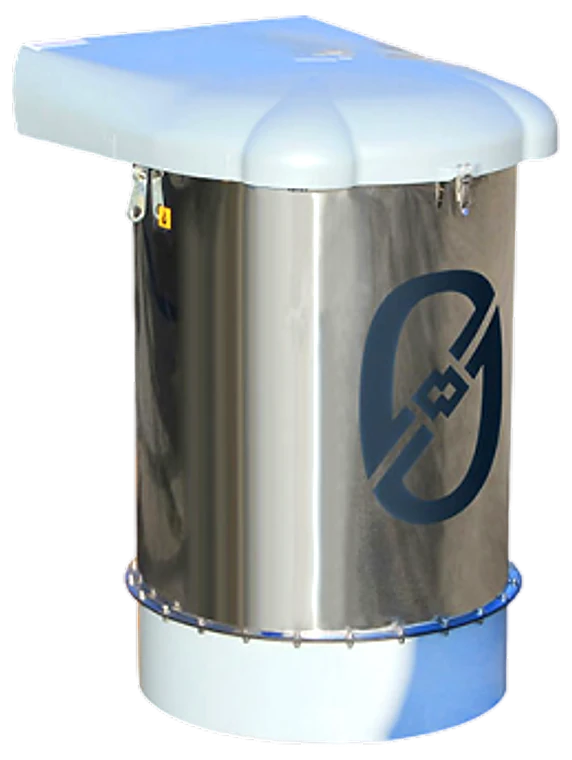
“SILOTOP” DUST FILTERS FOR CEMENT SILO
The WAM SILOTOP® Zero dust filter is a cylindrical dust collector for silo ventilation…
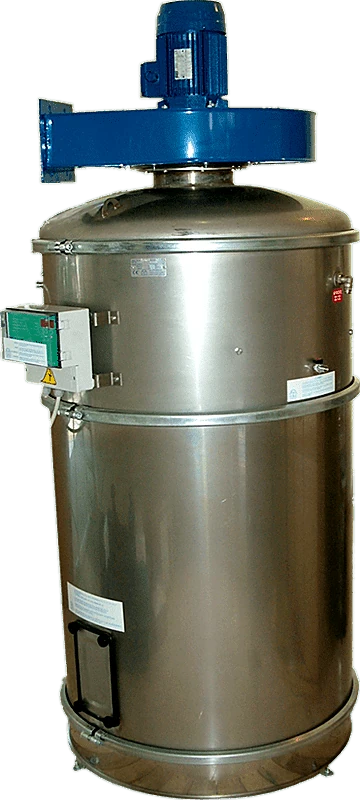
Dust filters with fan
Round cartridge filters with suction fans available from 9 to 39 m² filtering surface,…
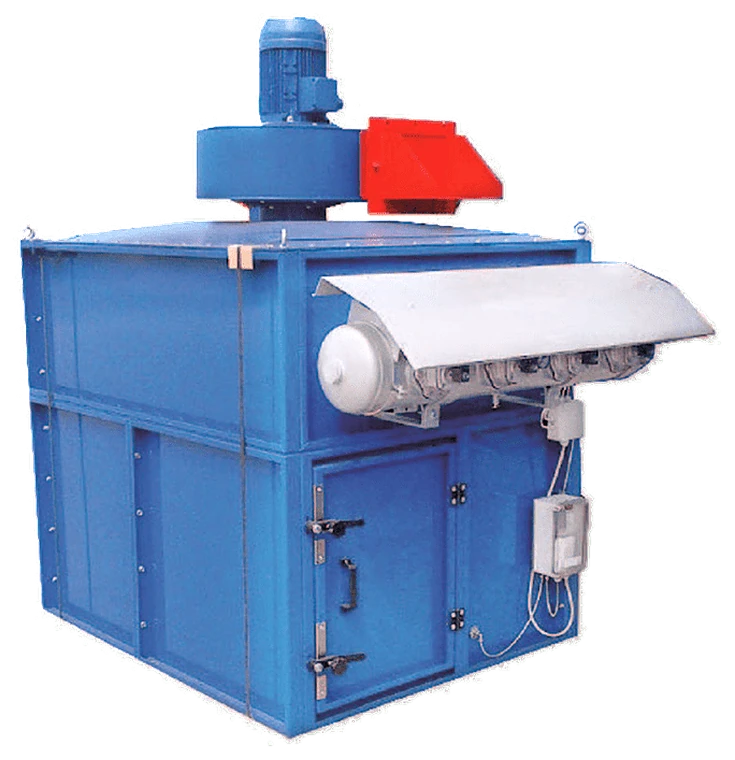
Rectangular dust filters
Dry batch filter supplied in 3 different sizes with a filtering surface of 50, 72 or 86…
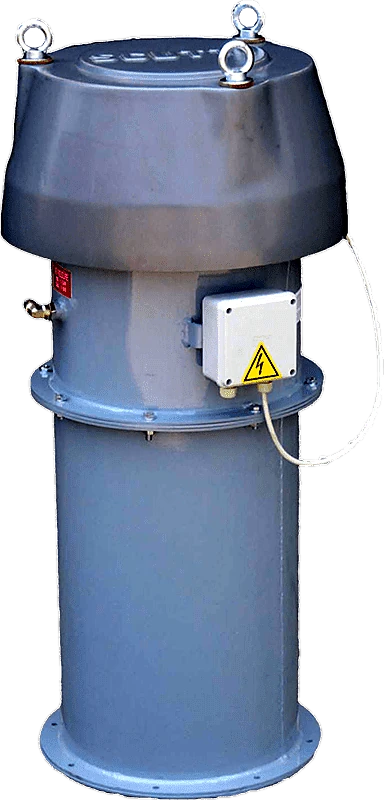
Small dust filters
Small sized filters that can be easily installed on the ceiling of weighing hoppers or…
Open to new challenges
Connect with us
Do you prefer live communication? So do we!