Cement Silos and Equipment
Pressure relief valves for silos
A pressure relief valve, also known as a safety valve, is a mechanical device installed on the roof of a silo and is designed to release or inject air.
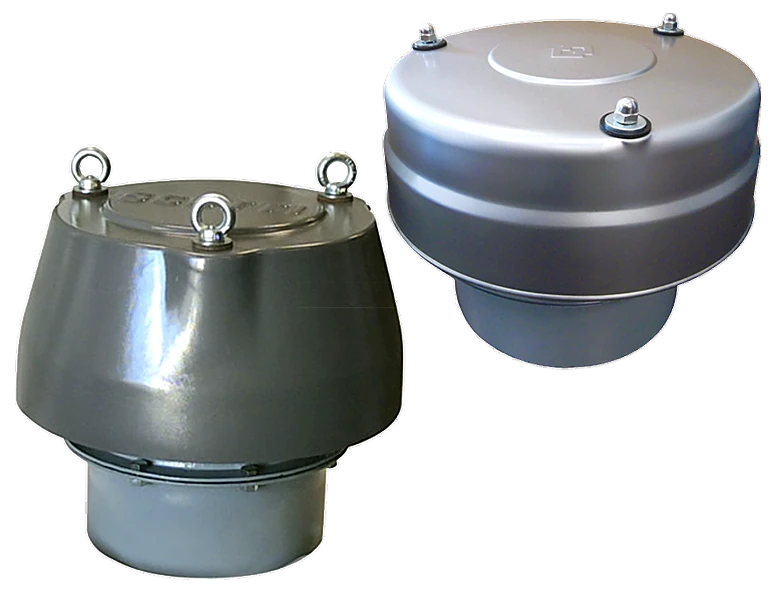
When the internal pressure reaches certain levels during filling or unloading, the safety valve activates by balancing the pressure.
This way the silo remains intact regarding the pressure changes that occur internally, as the safety valve is always ready to add or remove air in case the internal pressure goes past the predetermined limits.
A pressure relief valve is made of steel and is ideal for use on cement silo in the ready-mix concrete industry, but can also be used in any other application that includes bulk material storage.
Safety valves protect silos during filling or unloading from possible overpressure or underpressure. Its installation is necessary because in case the filter is either clogged or vented (when no filter is installed), it’s very likely the silo roof will come off or its walls will be compressed internally in case the pressure exceeds certain limits. Many such incidents have taken place in several countries, due to the absence of safety valves on silos.
OPERATING PRINCIPLE
Α Pressure Relief Valve consist of a cylindrical casing with a bottom flange to be connected with a spigot welded on the silo roof, a disc shape inner steel lid for negative pressure operation held in position by a central spring rod, an outside steel ring for excess pressure kept in position by three spring rods, gaskets, and a weather protection cover.
Helical springs keep the valve lids closed when the pressure value remains within the preset limits. The three outside spring rods keep the external ring-shaped lid firmly closed as long as the force generated by the pressure inside the silo does not overcome the spring force. Once the pressure exceeds the pre-set value the lid is pushed up and pressure can escape. The smaller lid covers the central circular opening of the external lid from below.
It is held in the middle by a single spring rod and is pressed onto the external lid by the normal air pressure inside the silo. In the event of suction pressure the spring is compressed and allows the lid to drop. The air entering the silo from outside ensures rapid pressure balance and pushes the central lid back up into "closed" position.
TECHNICAL CHARACTERISTICS
| Model | SCUTTI VDS 273 | WAM VCP 273 |
|---|---|---|
| Base Diameter | 273 mm (11’’) | |
| Body casing | Carbon steel | |
| Weather protection cover casing | Plastic | Stainless steel |
| Preset pressure limits* | Negative pressure: -0.002 bar (-0.03 psi) and Excess pressure: +0.05 bar (0.72 psi) |
- The preset pressure limits refer the pressure limits for activating the safety valve, as set at the factory. These limits can be changed accordingly to suit your needs.
UNIQUE ADVANTAGES
- 01The same valve can be used regardless of the stored material.
- 02The safety valve is easily installed on the silo thanks to its lightweight design and small dimensions.
- 03Maintenance friendly, thanks to its small number of parts.
- 04A product version suitable for high temperature products and applications is available upon request.
Photos
Related products
3DLevelScanner
3DLevelScanner is the only level sensor that measures multiple points on the surface of…
CNCR-230
The contactless radar CNCR-230 is the ideal and cost effective solution for inventory…
Dry Bulk Storage Silos
PROTEM in cooperation with the Italian manufacturer SCUTTI designs and delivers…
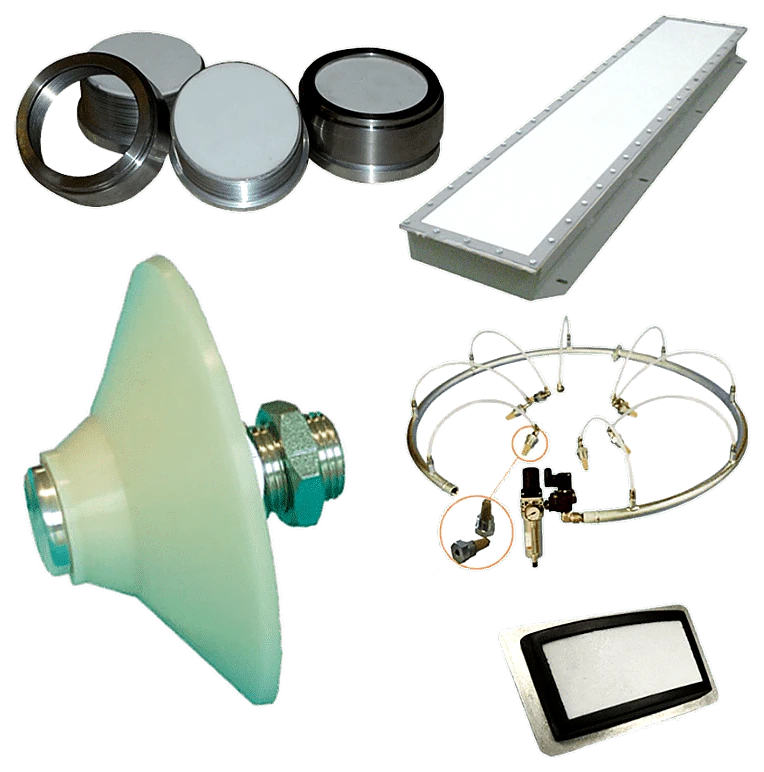
Fluidization Pads
The Fluidization pads for powders are used in concrete batching plants as a preventive…
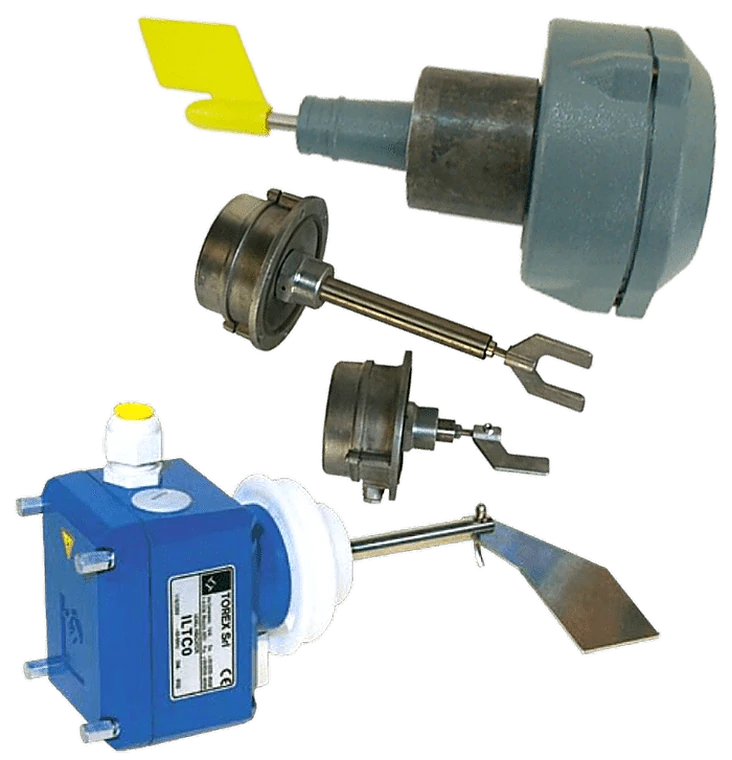
Level Indicators
The Bin Level Indicators have been designed to electrically signal for the minimum or…
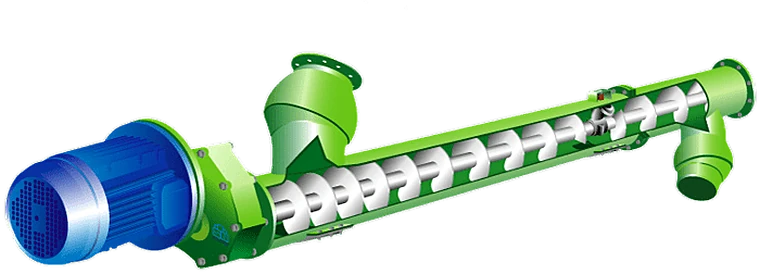
Screw Conveyors
We have a lot of screw conveyors of multiple sizes and carrying capabilities at your…
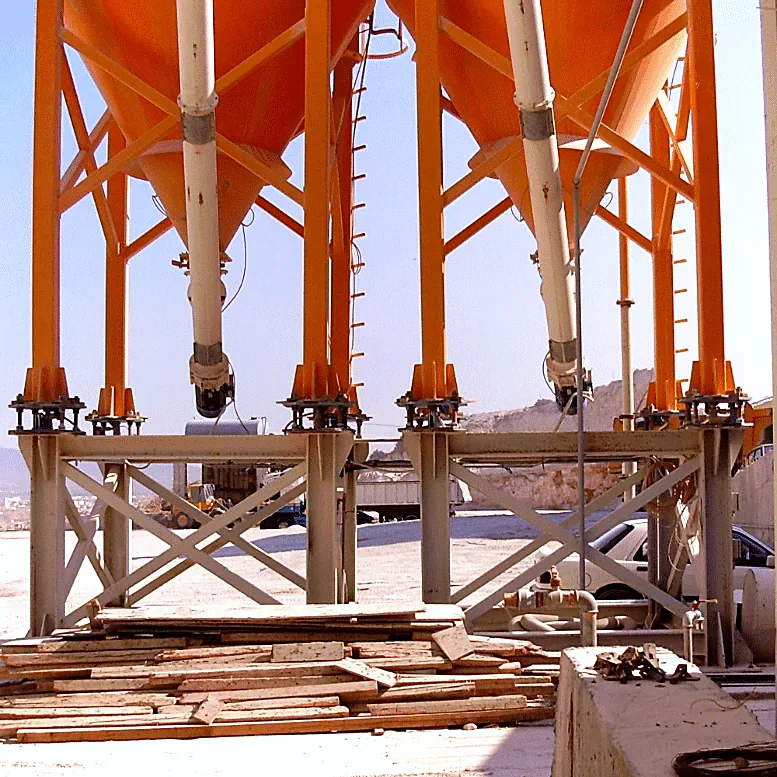
Silo Weighing
If you seek the greatest weighing accuracy for your silo, the most appropriate solution…
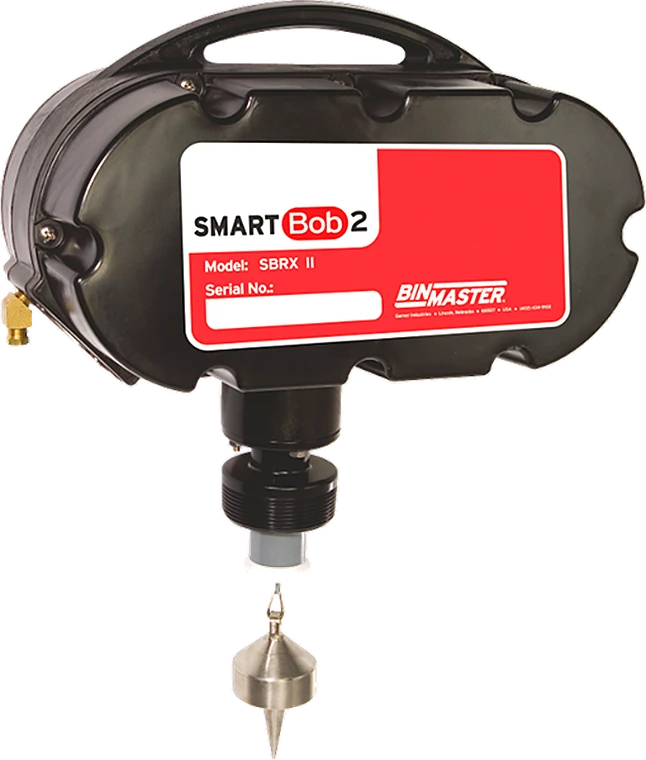
SMARTBOB2
The SmartBob2 is the most affordable and reliable solution for measuring the amount and…
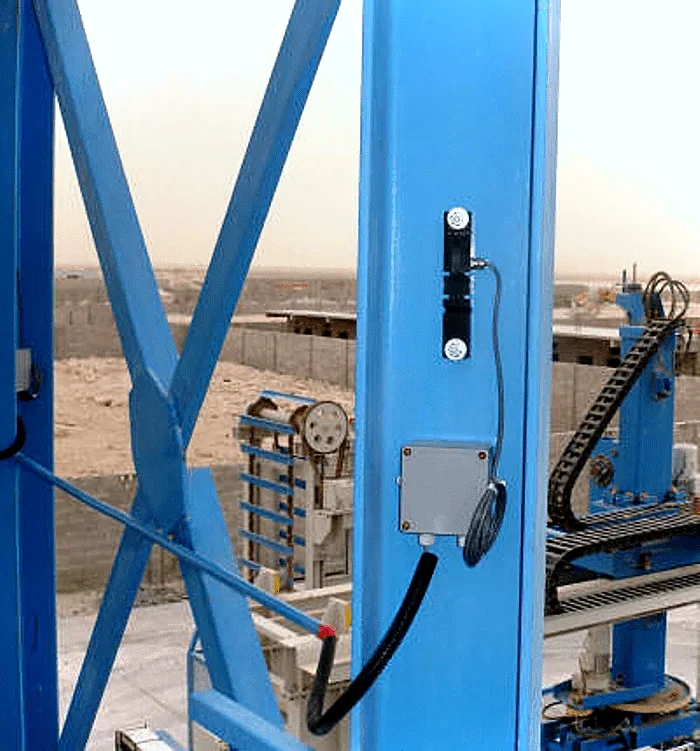
Weighing Indication of Silo Content
Using the weighing system SiloRe@der you receive much more information than a simple…
Open to new challenges
Connect with us
Do you prefer live communication? So do we!